
Ice Cream Containers: A Practical Buying Guide
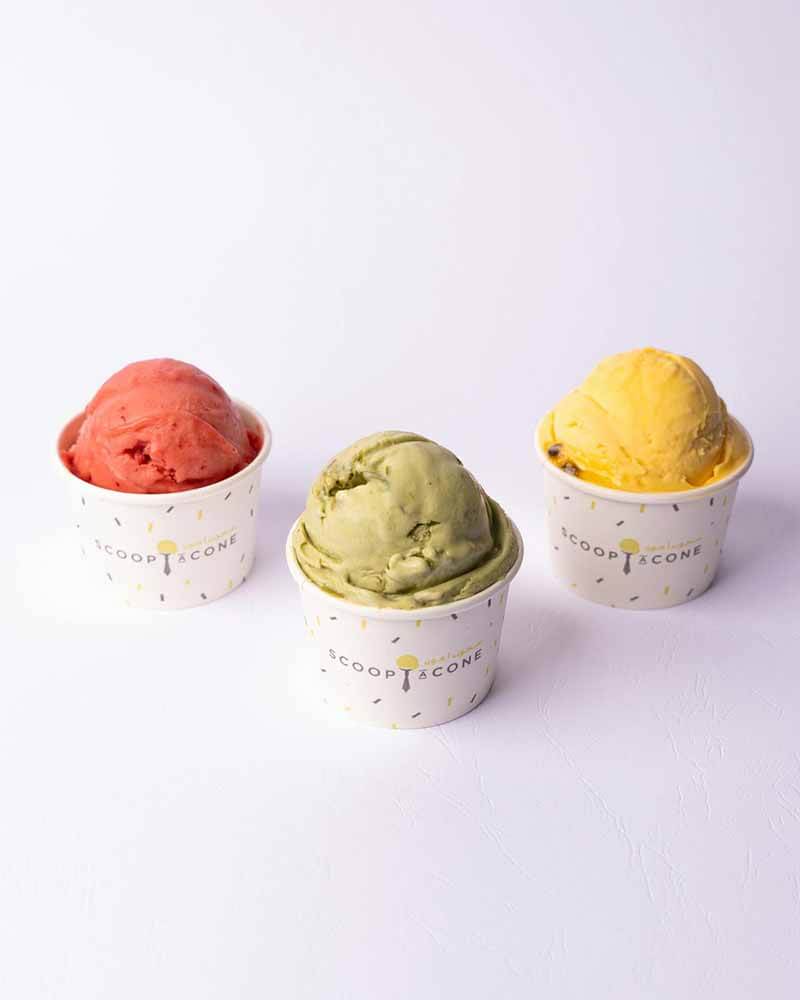
Whether you run an ice cream shop, a cafe, a dessert brand, a food truck, or are sourcing packaging containers for retail or wholesale businesses, choosing the wrong ice cream containers can directly impact product quality, customer experience, and costs.
This guide focuses on practical purchasing considerations, proven material performance, and common application scenarios to help you make informed decisions.
What Is an Ice Cream Container?
An ice cream container is a food-grade container designed for the following purposes:
- Store ice cream at freezing temperatures.
- Protect ice cream from air, moisture, and contamination.
- Maintain the texture and flavor of the ice cream.
- Convenient and safe for transportation and handling.
Ice cream containers can be used for:
- Retail takeaway (small portions for customers to purchase)
- In-store serving
- Bulk storage and transportation (for production, food service, or distribution)
- Home storage
Key Factors to Consider When Choosing Ice Cream Containers
Before comparing various materials, it’s important to understand what factors are truly important in practical use:
Low Temperature Resistance
Ice cream is typically stored at temperatures of -18 degrees Celsius/0 degrees Fahrenheit or lower. The containers must not crack, deform, or release harmful substances at these low temperatures.
Barrier Properties
Good packaging containers can limit contact with air and moisture, helping to prevent freezer burn and ice crystal formation.
Portion Size & Capacity
The range of demand varies from single-serving cups of 3-6 ounces to large containers of 1-5 gallons.
Storage & Stacking Performance
In a commercial environment, there is a need for containers that can be efficiently stacked in freezers.
Food Safety & Compliance
The containers should comply with the food contact regulations of the U.S. Food and Drug Administration (FDA) and the European Union.
Sustainability
The recyclability or reusability of materials can influence purchasing decisions.
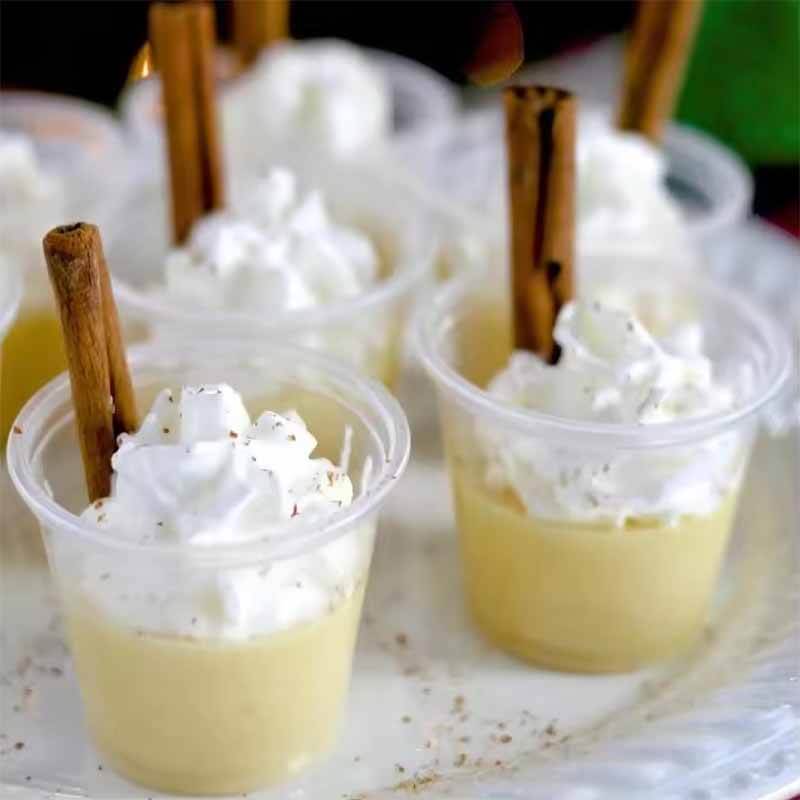
Common Types of Ice Cream Containers by Material
Paper Ice Cream Containers (With Coating)
Paper ice cream containers are typically lined with polyethylene (PE) or polylactic acid (PLA) to prevent leakage and moisture absorption.
Common uses:
- Takeaway ice cream cup
- Gelato and frozen yogurt servings
- Retail single-serving packaging
Pros:
- Lightweight and affordable
- Easy to print and brand
- Highly popular with consumers.
Cons:
- Not suitable for long-term storage.
- The coating may affect recycling.
Typical sizes:
- 3 oz – 32 oz
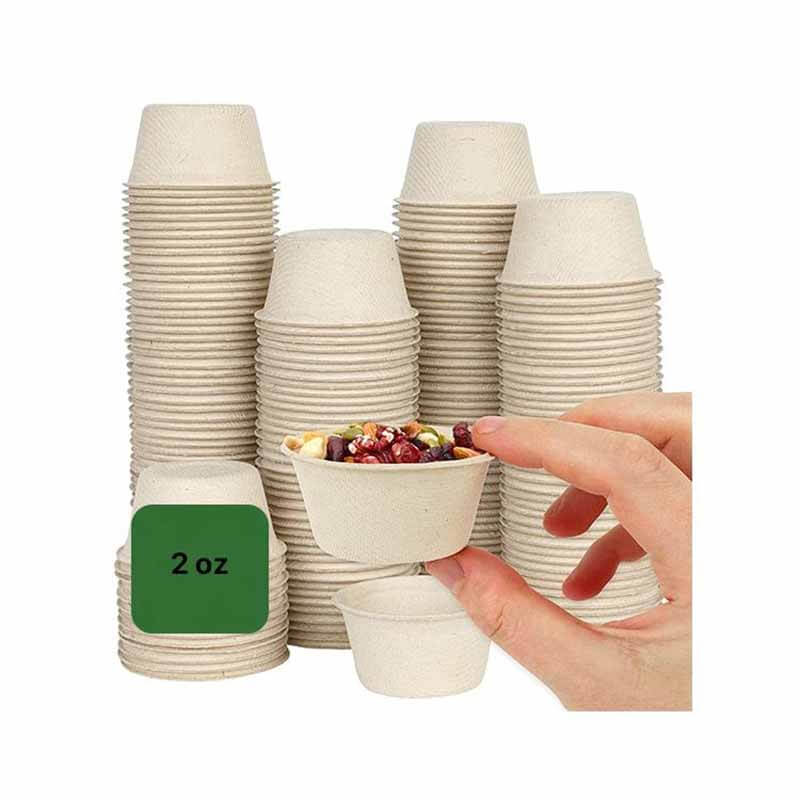
Compostable Ice Cream Containers
Compostable ice cream containers are small, single-use containers primarily used for holding take-out ice cream, gelato, and frozen desserts. They are typically made from renewable, plant-based materials and are designed to decompose under industrial composting conditions.
Common uses:
- Ice cream shop
- Gelato stores
- Dessert café
- Delivery platform
Pros:
- Eco friendly
- Food-safe and compliant
- Good short-term insulation
- Customizable for branding
Cons:
- Industrial composting required
- Higher cost than conventional paper cups
- Limited freezer durability
Typical sizes:
- 4 oz – 16 oz
Plastic Ice Cream Containers
Plastic ice cream containers are typically rigid or semi-rigid plastic containers made from PP, PET, or HDPE, designed for freezing.
Common uses:
- Takeaway ice cream
- Supermarket retail tubs
- Home freezer storage
Pros:
- Excellent low-temperature performance
- Excellent moisture and gas barrier properties
- Reusable in many cases
Cons:
- If recycling is not carried out, it will cause environmental problems
- Brand promotion options are more limited than paper materials.
Typical sizes:
- 4 oz – 2L
Metal Ice Cream Containers
Metal ice cream containers are primarily made of stainless steel or aluminum, and they are professional-grade containers mainly used in commercial kitchens and ice cream shops.
Common uses:
- In-store display refrigerators
- Bulk storage during the service period.
- Production environment
Pros:
- Extremely durable
- Excellent thermal conductivity.
- Easy to clean and disinfect.
- Long service life
Cons:
- Not allowed to take out
- The initial costs are relatively high.
- No disposable cutlery options available.
Typical sizes:
- 2 – 5L
Glass Ice Cream Containers
These are food-grade glass jars or containers, specifically designed for freezing.
Common uses:
- Home storage
- High-end or artisanal ice cream brands (limited availability)
- Reusable consumer containers
Pros:
- It does not undergo chemical reactions and does not affect the taste of food.
- Reusable and recyclable.
- The appearance is high-end and stylish.
Cons:
- Fragile
- Heavy
- Not suitable for commercial delivery.
Typical sizes:
- 250 ml – 1 liter
Bulk Ice Cream Tubs (Commercial Use)
These large-capacity containers, made of plastic or metal, are for commercial use.
Common uses:
- Ice cream manufacturers
- Catering services
- Wholesale distribution
Pros:
- Suitable for large-capacity storage
- Designed specifically for stacking in freezers
- Durable and food-safe
Cons:
- Not consumer-facing
- It needs to be properly handled and disinfected
Typical sizes:
- 1 gallon, 2.5 gallon, 5 gallon
Ice Cream Containers by Use Case
Takeaway & Retail Sales
Best options:
- Paper cups with lining
- Small plastic tubs with lids
- Bagasse cups
In-Store Serving
Best options:
- Stainless steel containers
- Aluminum tubs
Long-Term Storage
Best options:
- Plastic freezer-safe containers
- Metal containers
Home Use
Best options:
- Plastic containers
- Glass containers
FAQs about Ice Cream Containers
Can ice cream containers be reused?
Metal, glass and some of the plastic ice cream containers can be reused. Paper and compostable ice cream containers can’t be reused.
What size ice cream containers are most common?
- Single-serve (3–8 oz) – take-away portions
- Medium tubs (12–32 oz) – retail pints and quarts
- Bulk containers (1–5 gallons) – commercial storage
Are ice cream containers recyclable?
- Plastic containers can be recycled if they are clean and accepted by your local recycling facility.
- PE-lined paper cups are often not recyclable
- PLA-lined cups are compostable, not recyclable
- Metal and glass are widely recyclable
Can ice cream containers be customized with branding?
Of course. Both paper and bagasse ice cream containers are printable; you can print your logo, your brand, and your design on them. Other materials for ice cream containers don’t offer the same level of printability, but you can check with your supplier or simply print a sticker and attach it to the container.
Eco March is the manufacturer of bagasse containers for ice cream. Contact us to customize ice cream containers to support your business.
You may also be interested in:
John Q
John Q is Eco March’s Product Manager. With 5 years of prior experience in the food industry after graduating from university, he has been an integral part of Eco March. He excels in creating and developing eco-friendly food packaging products with a keen focus on enhancing the consumer experience.


