
How to Choose the Best Coffee Cup
Reusable vs. Disposable Coffee Cups
- Stainless Steel (Double-Wall / Vacuum Insulated)
- Ceramic Coffee Cups
- Glass Coffee Cups (Tempered/Borosilicate)
- Tritan / BPA-Free Plastic Coffee Cups
- Bamboo Fiber Coffee Cups
- Paper Cups (PE-coated)
- Paper Cups (PLA-coated)
- Double-Wall Paper Cups
- Plastic Cups (PP or PET)
- Foam Cups (EPS)
- PLA Coffee Cups
- Molded-pulp Cups
Coffee Cup Lids, Straws & Accessories
Lid Types for Reusable Coffee Cups
Straw Options for Reusable Coffee Cups
Lid Types for Disposable Coffee Cups
Straw Compatibility for Disposable Cups
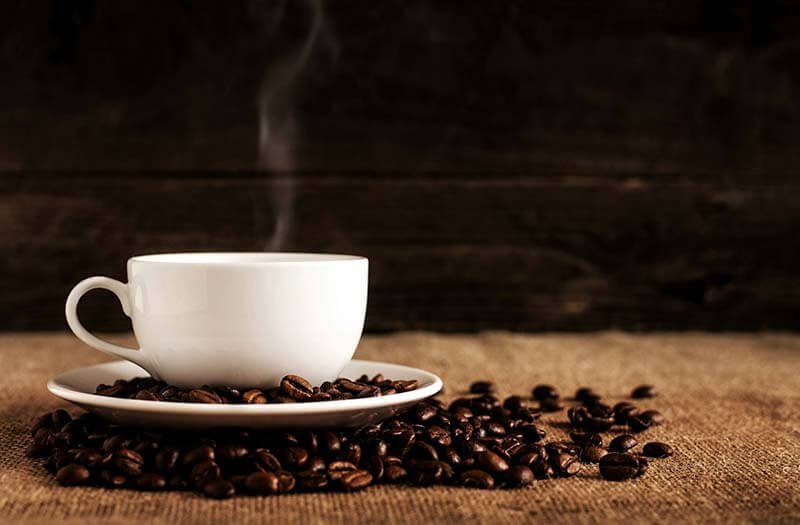
Whether you’re a café owner, a roastery, a corporate buyer, or simply someone looking for a reliable cup for daily use, choosing the best coffee cup isn’t as simple as it seems. We need to consider materials, insulation, lid compatibility, sustainability goals, drink type, and even local regulations. In this blog, we will talk about both reusable coffee cups and disposable coffee cups.
Reusable vs. Disposable Coffee Cups
First, let’s make a comparison of reusable coffee cups and disposable coffee cups.
Reusable Coffee Cups
Reusable coffee cups are designed for long term use, their sustainability and temperature retention are better than disposable type.
Stainless Steel (Double-Wall / Vacuum Insulated)
- Pros: best heat retention, durable, leak-proof design, reusable for years
- Cons: higher cost
- Best for: Commuters, business travelers, outdoor use, long coffee breaks
Ceramic Coffee Cups
- Pros: Excellent taste neutrality, microwave-safe, warm, and smooth to the touch
- Cons: Breakable, no insulation, not suitable for takeout
- Best for: Home, office, cafés dining-in
Glass Coffee Cups (Tempered/Borosilicate)
- Pros: Pure flavor; aesthetic; doesn’t retain odors
- Cons: Breakable, moderate insulation, not suitable for takeout
- Best for: Home, specialty cafés, office
Tritan / BPA-Free Plastic Coffee Cups
- Pros: Lightweight, durable, inexpensive, easy to carry
- Cons: Lower insulation
- Best for: Offices, schools, on-the-go
Bamboo Fiber Coffee Cups
- Pros: Lightweight,compostable bodies
- Cons: Not fully plastic-free
- Best for: Eco-friendly gifting, light daily use
Each material has its own unique characteristics, and which type of coffee cup you buy depends on your specific needs. Below are recommendations for coffee cup materials based on your needs.
Heat Retention
Stainless steel > ceramic/glass > plastic/bamboo
Taste Purity
Ceramic & glass are the most neutral
Durability
Stainless steel is the strongest
Leak-proof
Cups with screw-on or sliding lids are leak-proof
Sustainability
As long as the coffee cups are reusable, all of them are sustainable.
Disposable Coffee Cups
Disposable coffee cups are generally used for takeaway service and food-service operations.
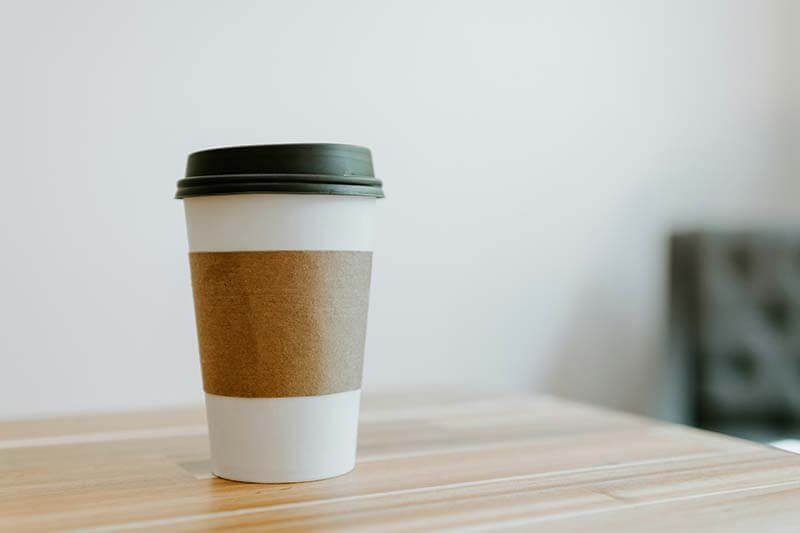
Paper Cups (PE-coated)
- Pros: Standard industry cup, reliable, inexpensive
- Cons: Not fully recyclable due to PE coating
- Best for: Most common café takeaway cup
Paper Cups (PLA-coated)
- Pros: Compostable under industrial conditions
- Cons: Heat tolerance lower than PE; requires composting facilities
- Best for: Coffee shops that use environmental protection as a selling point
Double-Wall Paper Cups
- Pros: Better hand protection, premium quality
- Cons: Higher cost than single layer paper coffee cups
- Best for: Used by specialty coffee shops
Plastic Cups (PP or PET)
- Pros: Clear, crack-resistant, suitable for cold/hot drinks (PP)
- Cons: PET coffee cups are not suitable for hot drinks
- Best for: Both are used for iced coffee
Foam Cups (EPS)
- Pros: Excellent heat insulation, low cost
- Cons: Fragile, non-biodegradable, harmful to environment, banned in many regions and countries
- Best for: Inexpensive coffee shops with little regard for environmental protection and health.
PLA Coffee Cups
- Pros: Biodegradable, clear
- Cons: Heat sensitivity, higher cost than plastic
- Best for: Serve for liquids that are not very hot
Molded-pulp Cups
- Pros: 100% biodegradable & compostable
- Cons: Higher cost than plastic
- Best for: Environmentally conscious coffee brands, coffee shops, and countries and regions that place great importance on environmental protection
Disposable coffee cup also have many materials to choose from, which one is best for your coffee shop depends on your specific needs.
Hot Drinks
Single wall paper cup + sleeve, double wall paper cups, PP cups, sugarcane cups
Cold Drinks
All of the disposable coffee cups are suitable for cold drinks
Eco-goals
Bagasse cups, PLA cups, paper cups
Durability
Plastic, PLA, sugarcane,cups
Coffee Cup Sizes
The cup size choices for reusable coffee cups and disposable coffee cups are different.
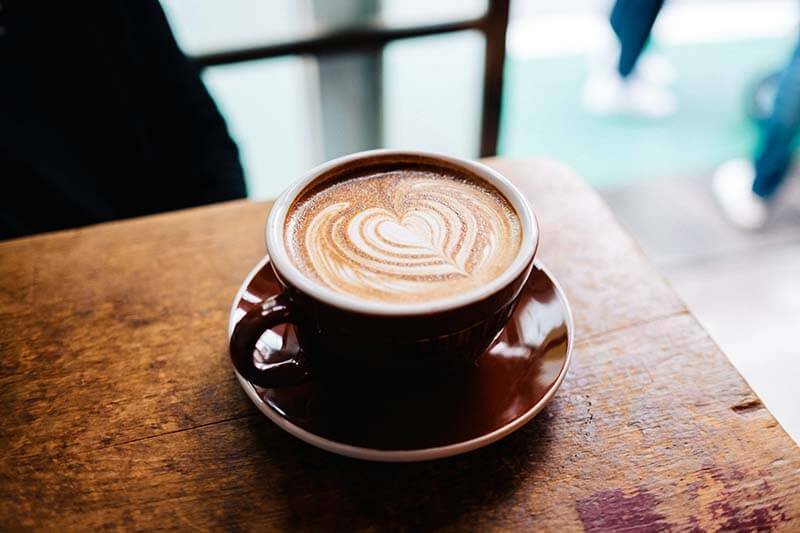
Reusable Coffee Cup Size
The size of a reusable coffee cup depends on your personal needs. Consider how much coffee you drink, or the amount of coffee you usually like to drink at a coffee shop. Then, buy a reusable coffee cup that is slightly larger than the one you usually buy at a coffee shop to allow some space for adding milk or shaking. This makes it more convenient to use.
Disposable Coffee Cup Size
There’s no standard size for disposable coffee cup, since different regions or different coffee brands have different standards. We’ll use the cup size commonly used by Starbucks, Costa, or most coffee shops around the world, as a reference.
- 4 oz — Espresso, macchiato
- 6 oz — Flat white, cortado (varies by café)
- 8 oz — Small latte/cappuccino
- 12 oz — Medium latte/americano
- 16 oz — Large latte/americano
- 20 oz — Extra-large (common in US fast food chains)
Coffee Cup Lids, Straws & Accessories
Reusable coffee cups come in a variety of materials, so their compatibility varies. It’s also important to know which lids and straws they are compatible with.
Lid Types for Reusable Coffee Cups
Screw-On Lids
- Used for: Stainless steel insulated tumblers, Glass coffee cups (with silicone ring), Plastic reusable cups (Tritan/PP)
- Featuring: Usually includes a silicone gasket, often has slider or flip-top opening for sipping, screw seal creates strong closure
Press-Fit Lids / Snap Lids
- Used for: Reusable plastic cups, bamboo fiber cups
- Featuring: Convenient to use, easy to clean, often made from PP, Tritan, or food-grade silicone, better for walking, not transport in bags
Straw Lids
- Used for: stainless steel cup, plastic cup, glass cup
- Featuring: Dedicated hole for straw, usually BPA-free plastic or stainless steel tops
Flip-Top or Push-Button Lids
- Used for: Stainless steel vacuum insulated cup
- Featuring: One-hand operation, anti-spill mechanism, silicone seals provide strong leak control
Simple Dust Cap
- Used for: Ceramic coffee cups, Glass coffee cups
- Featuring: It provides only basic protection against dust and minor spills, and does not offer a fully leak-proof seal
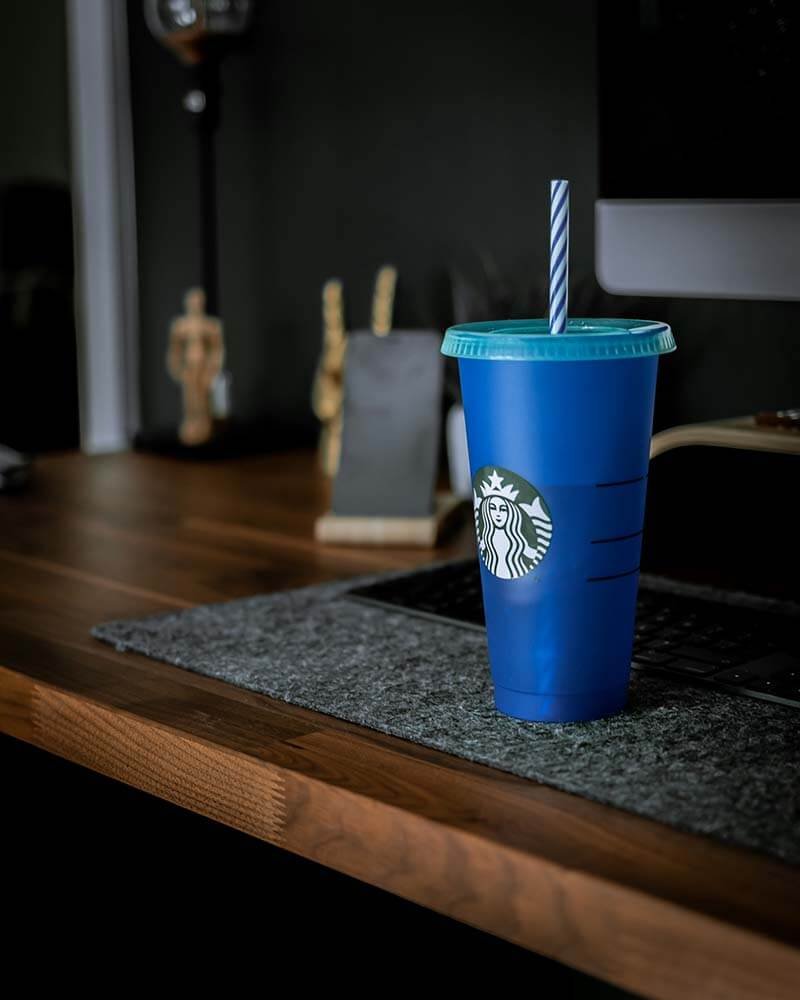
Straw Options for Reusable Coffee Cups
Stainless Steel Straws
- Durable
- Eco-friendly
- Suitable for iced coffee
- Must be paired with wide straw-compatible lid
Silicone Straws
- Flexible
- Safe for both hot and cold drinks
- Good for children or sensitive teeth
Glass Straws
- Used with glass or plastic cups
- Best flavor purity, but fragile
Lid Types for Disposable Coffee Cups
Disposable coffee cup lids are mostly made from PS (polystyrene), PLA (compostable plastic), PP (polypropylene), and plant fiber.
Flat Lids
- Typically for cold coffee, iced drinks
- Often comes with straw hole (cross slit or round opening)
Dome Lids
- Used for iced lattes, cold brew, frappes
- Provides extra space for whipped cream or ice
Sip Lids / Coffee Lids
- For hot coffee
- Has molded sip opening
Locking Sip Lids
- For premium takeaway coffee
- Cover flap prevents spills
- Industry standard for cafés
Straw Compatibility for Disposable Cups
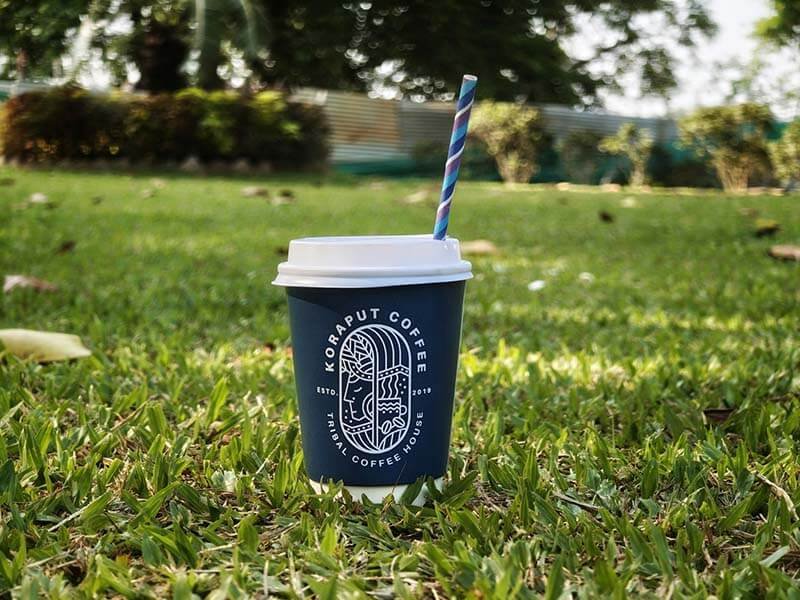
Disposable straws are made from paper, plastic, and PLA. Generally, they are suitable for cold drinks and warm drinks, no recommended for hot drinks.
Hot Beverages
- For drinking hot coffee, hot tea, not recommended to use disposable straws. If you have to use, recommend using high quality paper drinking straws within one hour.
Cold Clear Drinks
- For drinking iced coffee, iced tea, cold brew, 6-7mm drinking straw diameter are recommended.
Milk-based Drinks
- For drinking iced latte, milk tea, 7-8mm disposable drinking straw diameter are recommended.
Thick / Blended Drinks
- For drinking frappes, smoothies, 8-12mm disposable drinking straw diameter are recommended.
Bubble Tea / Toppings
- For drinking boba, jelly drinks, ≥12 mmdisposable drinking straws are always recommended.
Other Compatible Accessories for Disposable Cups
- Cup Sleeves: Heat protection for hot coffee
- Stirrers: Mixing espresso, sugar, milk
- Drink Carriers: Transporting 2–4 cups
What to Consider When Choosing the Best Coffee Cup?
Before you choose the coffee cup, you should consider below factors:
Who will use the cup?
- Commuters: Need spill-proof, insulated
- Cafés: Need stackable, cost-efficient, brandable
- Events: Need cheap, bulk, eco-friendly options
What Drinks Are Served?
- Espresso vs. latte
- Cold brew vs. hot mocha
- Drinks with toppings vs. simple coffees
Branding & Custom Printing
Whether you are an individual buyer or business, most disposable coffee cups and reusable coffee cups allow for branding and customization. They are supporting customization:
- Logos
- Sleeve branding
- Seasonal artwork
Cost & Supply Chain
- Disposable coffee cups cost less but require ongoing purchase
- Reusable cups cost more but add brand loyalty
- PLA & compostable cups cost more but are more eco friendly
Choosing the best coffee cup is very important for drink related business or a coffee lover. I hope this guide is helpful for you.
Eco March is the manufacturer of compostable coffee cups in China, if you want to wholesale coffee cups, contact us for wholesale price!

John Q
John Q is Eco March’s Product Manager. With 5 years of prior experience in the food industry after graduating from university, he has been an integral part of Eco March. He excels in creating and developing eco-friendly food packaging products with a keen focus on enhancing the consumer experience.


