
Molded Pulp Corner Protectors for Sustainable Packaging
When we talk about corner protectors, there will be many types that appear in your mind. There may be plastic corner protectors, metal corner protectors, cardboard corner protectors, and foam corner protectors. Today, we will talk about an eco-friendly choice: molded pulp corner protectors.

What are Molded Pulp Corner Protectors?
Molded pulp corner protectors are the corner protectors made from molded pulp, which is an eco friendly and economical choice for transportation companies. The pulp corner protectors are strong, durable, and easy to use. You don’t have to assemble them because they are generally customized according to your product size.
Molded Pulp Corner Protectors vs. Other Material Corner Protectors
As we know, you can find corner protectors in many materials in the market, each type naturally has its reasons for its existence. So, here we will have a comparison of pulp corner protectors and the corner protectors made in other materials.
Molded Pulp Corner Protectors vs. Cardboard Corner Protectors
Molded Pulp:
- Higher cost
- More strong
- More durable
- Lighter
- Stronger impact resistance
Cardboard:
- Lower cost
- Not strong enough
- Not durable enough
- Heavier
- Weaker impact resistance
Molded Pulp Corner Protectors vs. Foam Corner Protectors
Molded Pulp:
- Lower Cost
- Eco friendly
- More slightly strong
- More slightly durable
- Lighter
- Weaker impact resistance
Foam:
- Higher Cost
- Harmful to the environment
- Not that strong
- Not that durable
- Heavier
- Stronger impact resistance
Molded Pulp Corner Protectors vs. Plastic Corner Protectors
Molded Pulp:
- Lower cost
- Eco friendly
- Not that strong
- Not that durable
- Lighter
- Weaker impact resistance
Plastic:
- Higher cost
- Harmful to the environment
- Stronger
- More durable
- Heavier
- Strong impact resistance
- Better reusability
Molded Pulp Corner Protectors vs. Metal Corner Protectors
Molded Pulp:
- Lower Cost
- Eco friendly
- Not that strong
- Not that durable
- Lighter
- Weaker impact resistance
Metal:
- Higher cost
- Not eco friendly
- Strong
- Durable
- Heavy
- Strong impact resistance
- Better reusability
- Easy to rust
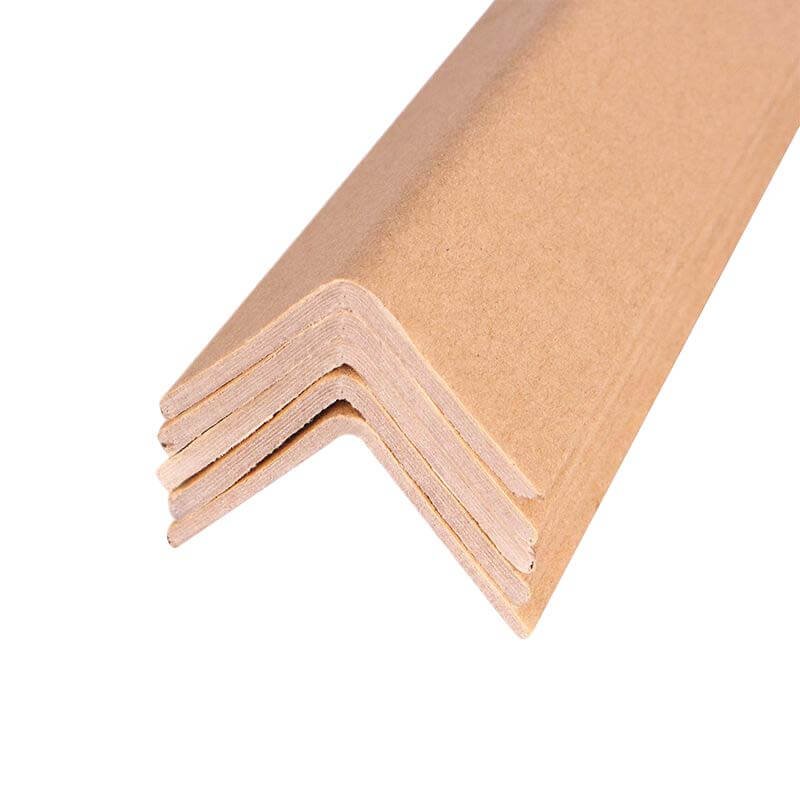
The Application that Uses Molded Pulp Corner Protection
- Used for securing electronics and fragile goods
- Used for protecting furniture edges
- Used in industrial packaging for appliances
- Used for protecting the construction materials
How to Choose the Right Molded Pulp Corner Protectors?
The pulp corner protectors are highly customizable, so when you purchase this product, you need to consider the following factors:
Specification
When you order the molded pulp corner protectors, you need them to protect something you need, whether during transportation or fixed in some places. So, you need to understand which part of the product you need to protect and then know the size of the part, the shape, and then, according to this information, you are going to make the corner protectors with the appropriate size and shape.
Weight Capacity
You need to know the weight of the product you need to protect, and then customize the molded pulp corner protectors that can bear the weight of the product.
Branding
If you need to make your brand name or logo on the molded pulp corner protectors, you should also communicate with the supplier, then when they open the mold for your specific shape & size of the pulp protector, your brand will also be made into the mold.
Molded pulp corner protectors are 100% eco-friendly and biodegradable. This product is more for environmental protection and cargo protection. Eco March is the manufacturer of molded fiber packaging. Contact us to customize today!
You may also be interested in:
John Q
John Q is Eco March’s Product Manager. With 5 years of prior experience in the food industry after graduating from university, he has been an integral part of Eco March. He excels in creating and developing eco-friendly food packaging products with a keen focus on enhancing the consumer experience.


